
The Arts District is arguably the most creatively vibrant neighborhood in Los Angeles, but its real estate is split into two very distinct categories: century-old factories reborn as lofts, and sleek, ground-up luxury builds.
Buyers are naturally drawn to the 90013 and 90021 zip codes for the culture, the world-class dining, and the walkability. However, when it comes time to actually purchase a unit, they often face a tough dilemma: do you go for historic character or modern convenience?
Understanding the pros, cons, and financial realities of both styles is the key to making the right investment in the Arts District. Here is how the two stack up.
Adaptive Reuse: The Historic Soul of the Neighborhood
If you want the classic, industrial loft aesthetic, adaptive reuse buildings like the Barker Block or Toy Factory Lofts are exactly what you are looking for.
The Vibe: These spaces feature raw materials—original exposed brick, heavy timber pillars, polished concrete floors, and massive steel-sash windows. There is a timeless, moody, almost Peaky Blinders architectural vibe to these spaces that you simply cannot replicate in new construction. When I am walking the neighborhood shooting photos of the local street art and historic facades, these are the buildings that define the skyline.
The Financial Perk (Mills Act): Many historic conversions qualify for the Mills Act, a state program that can drastically reduce your property taxes. This is a massive financial benefit for buyers.
The Space: These units are famous for their massive, wide-open floor plans and soaring ceilings, giving you a true blank canvas.
The Trade-offs: "Authentic" often means quirks. You might deal with older plumbing infrastructure, minimal built-in storage (you will need to buy wardrobes), and thinner walls. If you are right above a bustling street, you will hear the neighborhood.
Modern Builds: The Luxury Edge
If you love the energy of the Arts District but prefer turnkey living, modern builds like AMP Lofts or the newer developments pushing the district's borders offer a completely different lifestyle.
The Vibe: Think clean lines, curated finishes, and effortless living. These units are designed for comfort from day one.
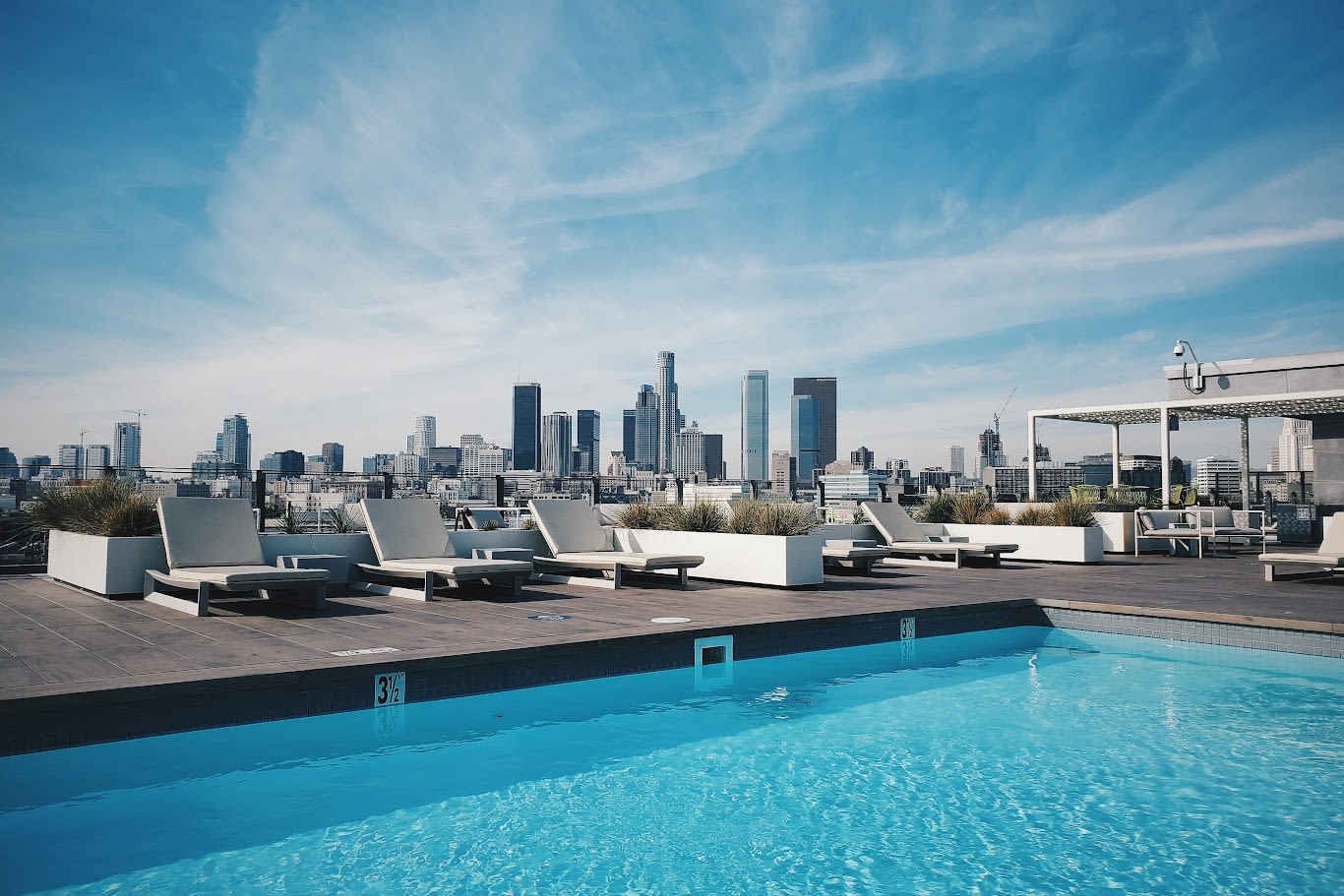
The Amenities: This is where modern builds shine. You get resort-style rooftop pools, state-of-the-art fitness centers, central HVAC, and dedicated, secure parking—a premium in DTLA.
Energy Efficiency and Peace: Modern insulation and double-paned glass mean lower utility bills and the ability to block out the vibrant (but noisy) street life whenever you want a quiet sanctuary.
The Trade-offs: Luxury amenities come with a price tag, meaning your monthly HOA dues will likely be higher. Additionally, while beautiful, newer construction can sometimes lack the one-of-a-kind character of a century-old factory conversion.
Which One Fits Your Lifestyle?
Choosing between the two usually comes down to how you plan to use the space:
The Creative Purist: If you want a live/work space to serve as an art studio, a creative office, or a gallery, adaptive reuse gives you the inspiring volume and architectural grit you need.
The Convenience Seeker: If you travel often, work demanding hours, or simply want zero maintenance, a modern build is the safer bet.
Still on the fence? Sometimes the best way to know is to test-drive the neighborhood. Many of our clients choose to lease for a year before buying. You can explore current tenant demand and available leases over at www.laloftsforrent.com.
The Bottom Line
Both styles offer incredible long-term value, provided you buy into the right building with a healthy HOA.
Navigating Mills Act contracts, evaluating historic building reserves, and knowing which modern amenities are actually worth the HOA fee requires hyper-local expertise and I know these buildings inside and out.
Ready to see the difference for yourself? Reach out to us today to schedule a side-by-side tour of an adaptive reuse loft and a modern build in the Arts District, and let's find your perfect fit.