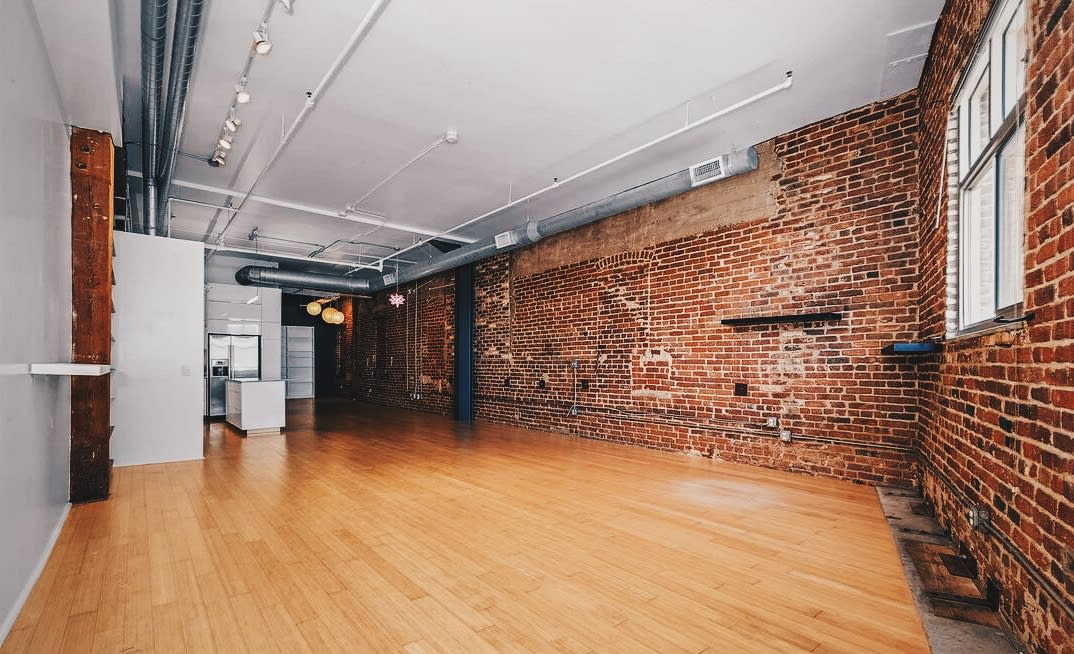

You found the perfect Arts District loft: exposed brick, timber beams, big windows. Then your lender says the building is “non-warrantable.” For many loft buyers, this is the first time they’ve heard the term, and it can change everything about how you finance, what you offer, and how long escrow takes.
Here’s what non-warrantable means, why loft buildings run into it more often than typical condos, and how to buy (or sell) one with confidence.
The Short Answer
Yes, you can usually get a mortgage on an Arts District loft. But if the building is non-warrantable, you won’t qualify for a standard conventional loan backed by Fannie Mae or Freddie Mac. You’ll need a different type of loan or a cash purchase, and you should plan for that before you make an offer.
What “Warrantable” Means
A warrantable condo is in a building that meets Fannie Mae or Freddie Mac’s project eligibility rules, so lenders can offer standard conventional loans there. A non-warrantable condo is in a building that fails at least one of those rules. The issue is with the building, not the unit or the buyer. A beautiful loft in perfect condition can still be non-warrantable because of something happening at the HOA level.
Status isn’t permanent. A building can move in or out of warrantable status as its finances, litigation, ownership mix, or insurance change, so always check current status for the specific building.
Why Loft Buildings Are More Likely to Be Non-Warrantable
Arts District loft buildings are often older, mixed-use, and unusual by design, which is exactly what makes them special, and also what can trip lender rules:
- Commercial space: Many loft buildings have ground-floor retail, restaurants, or offices. Under Fannie Mae’s rules, a project is generally ineligible if more than 35% of its total space is commercial or nonresidential.
- Concentrated ownership: If one person or company owns too many units, the building can fail. For buildings with 21 or more units, Fannie Mae generally limits a single owner to 20% of the units; in buildings with 5 to 20 units, the limit is two units.
- Litigation: Lawsuits involving the HOA, especially construction defect or safety claims, can make a building non-warrantable until they’re resolved.
- Reserves and repairs: Older industrial buildings can have big maintenance needs. Low reserves or deferred critical repairs are a common problem.
- Insurance: The HOA’s master insurance policy has to meet lender requirements, which has become harder and more expensive for some buildings.
What Changed in 2026
Fannie Mae updated its condo rules in 2026, including retiring its “Limited Review” option, so more buildings now go through a full project review. That means some buildings that used to slip through with a lighter review are now being examined more closely. If you’re buying or selling in 2026, don’t rely on what was true for your building a few years ago.
How to Find Out If a Loft Building Is Warrantable
- Ask a lender early. Have your lender review the building before you write an offer, not after. They’ll request a condo questionnaire from the HOA’s management company.
- Review the HOA documents. Look at the budget, reserve study, meeting minutes, insurance, and any notice of litigation or special assessments.
- Check FHA approval. If you’re considering an FHA loan, check whether the building appears on HUD’s FHA-approved condominium list. Many loft buildings don’t, but some do.
- Talk to an agent who knows the building. Status and history vary building by building, and a local specialist often knows which buildings have had financing issues in the past.
Your Loan Options for a Non-Warrantable Loft
- Portfolio loans: Some banks keep loans on their own books instead of selling them to Fannie Mae or Freddie Mac, which lets them lend in non-warrantable buildings.
- Non-QM loans: Specialty lenders offer loans designed for non-warrantable condos. Expect stricter terms, such as a larger down payment and often a higher rate.
- Cash: Some buyers pay cash, then refinance later if the building’s status improves.
- FHA single-unit approval: In some cases, an individual unit can qualify for FHA financing even if the whole building isn’t FHA-approved. Your lender can tell you whether a specific unit qualifies.
The key is choosing a lender experienced with non-warrantable condos before you start shopping. A pre-approval for a standard conventional loan won’t help you if the building doesn’t qualify.
What Non-Warrantable Means for Price and Resale
Because fewer buyers can finance in a non-warrantable building, these lofts can take longer to sell and may trade at a lower price than similar lofts in warrantable buildings. For buyers, that can mean an opportunity. For sellers, it means pricing correctly and marketing to buyers who can actually close.
If You’re Selling a Loft
Find out your building’s warrantability status before you list. Knowing it upfront lets you price correctly, line up a lender who can finance your building, and target buyers who can close, so you avoid a deal falling apart in escrow. Learn more in What to Know Before Selling Your Arts District Loft, or request a free loft valuation.
Buyer Checklist
- Get pre-approved with a lender who handles non-warrantable condos.
- Ask your lender to review the building before you make an offer.
- Request the HOA budget, reserve study, minutes, and insurance details.
- Ask about pending litigation and special assessments.
- Plan for a larger down payment if the building is non-warrantable.
- Write enough time into your offer for the lender’s building review.
Frequently Asked Questions
What is a non-warrantable loft?
A loft in a building that doesn’t meet Fannie Mae or Freddie Mac’s project eligibility rules, so standard conventional loans aren’t available. Buyers typically use portfolio loans, non-QM loans, or cash.
Are all Arts District lofts non-warrantable?
No. Many Arts District loft buildings qualify for conventional financing. Status depends on each building’s commercial space, ownership mix, finances, insurance, and litigation, and it can change over time.
How much do I need to put down on a non-warrantable loft?
It depends on the lender and loan program, but expect a larger down payment than a standard conventional loan. Compare offers from a few lenders experienced with non-warrantable condos.
Can a non-warrantable building become warrantable?
Yes. If the HOA resolves the issue, such as settling litigation, building reserves, or fixing insurance, the building can become warrantable again. Some buyers purchase with non-QM financing and refinance later.
Does live/work use affect financing?
It can. Lenders look at how a building is used and how much space is commercial or nonresidential. Mixed-use and live/work buildings should always be reviewed by a lender early in the process.
Ready to Buy an Arts District Loft?
Financing is one of the most important parts of buying a loft, and it varies building by building. Browse Arts District lofts for sale, explore our building guides, or contact David Hernandez to talk through financing before you make an offer.
This article is general information, not lending or legal advice. Confirm loan options and building eligibility with a qualified lender.